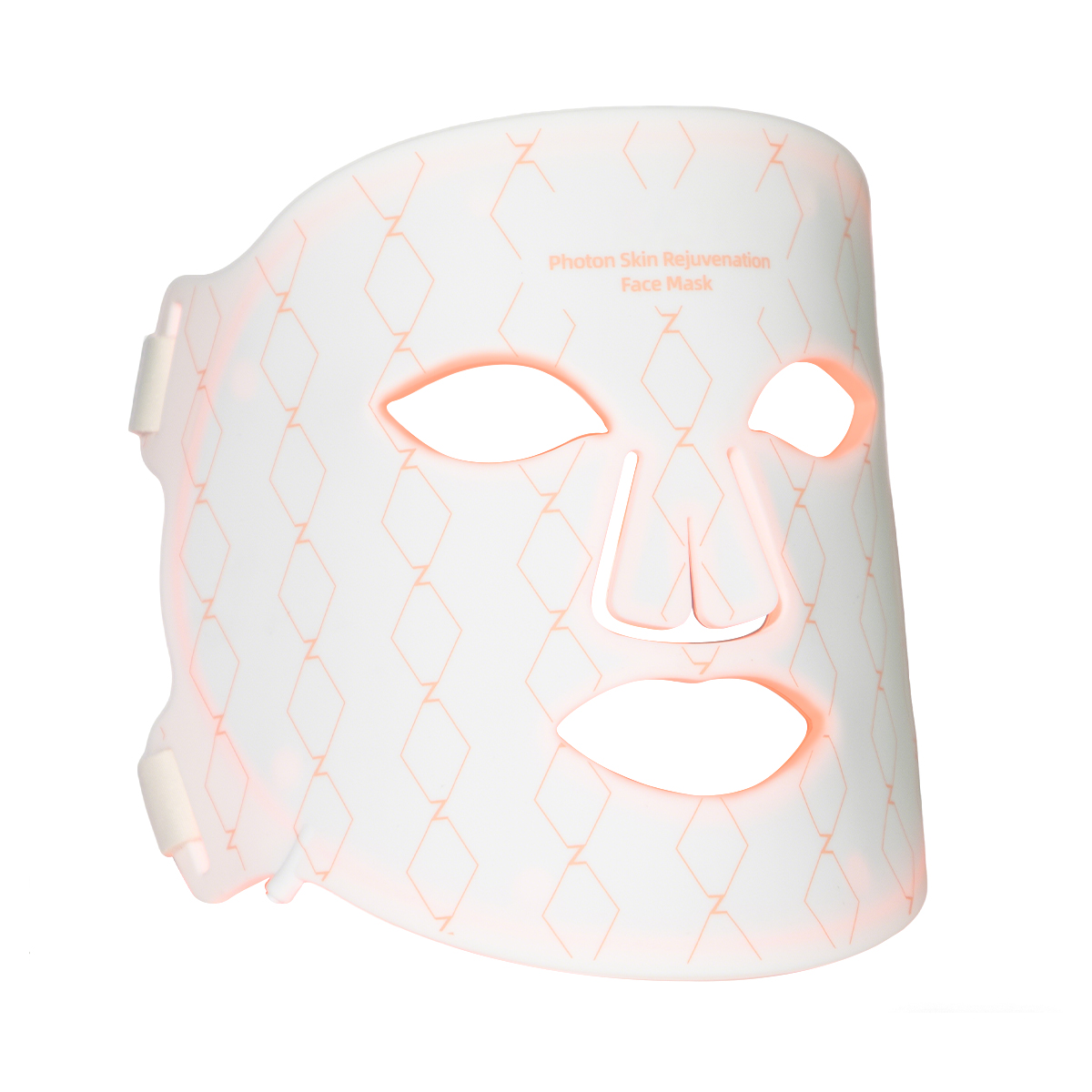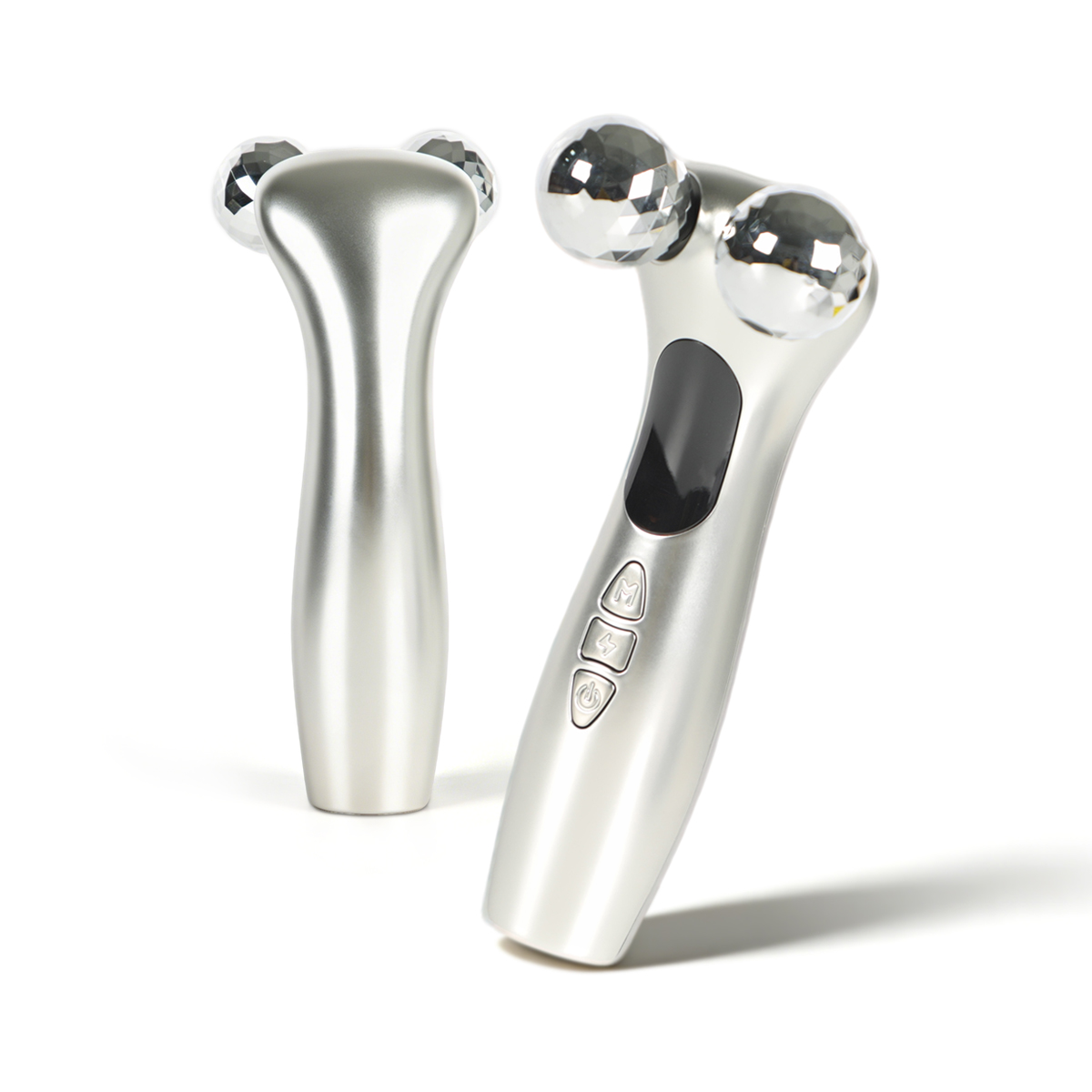
A red light therapy sample should be evaluated the way the end user will actually meet the product: in their hands, on their skin, in their bathroom, at the end of a long day. Marketing renders and spec sheets tell you very little about that moment. Treat the sample as a working object rather than a formality, and let the physical experience decide whether a private-label run is ready to move forward.
1. Fit and wearability
Put the device on and leave it there for the length of a realistic session. Straps should hold without pinching, panels should sit flat rather than lift at the edges, and the weight distribution should not pull the unit down when the user stands or moves. If a belt or wrap is part of the design, test it over clothing as well as directly against skin, since the fit changes with both. Small discomforts that seem tolerable in a five-minute check tend to become the first complaint in a review.
2. Shell and finish
Turn the device over in daylight and look at the seams, the junction between shell halves, and the edge where the light aperture meets the housing. Run a fingertip along those lines: you are feeling for flash, sharp moulding edges, or gaps that will collect dust. Finish is equally part of the brand impression, so check that the coating is even around corners and that no bare substrate shows through on wear points. A sample finished in a premium colour should still look premium at the seams, not only on the large flat faces.
3. Controls and feedback
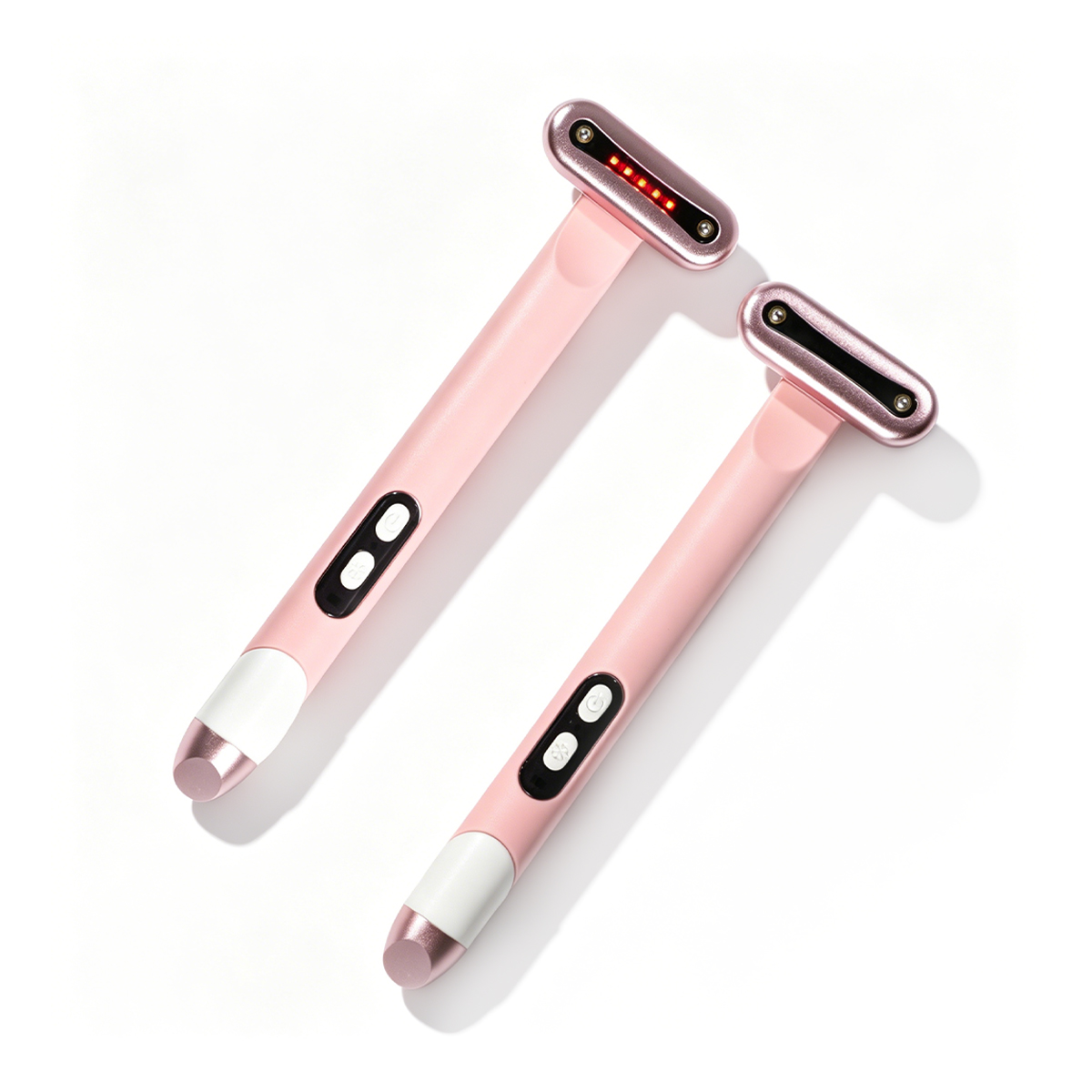
Operate every button without reading the manual first, and note whether the response matches what a new user would expect. Buttons should register on the first press, the indication of power and mode should be visible in a normally lit room, and nothing should require a long press that is not explained on the device or in the guide. If the unit offers intensity or timing settings, confirm that each step is distinguishable in use rather than only on paper. Ambiguous feedback is one of the most common reasons a device feels cheaper than it is.
4. Light coverage
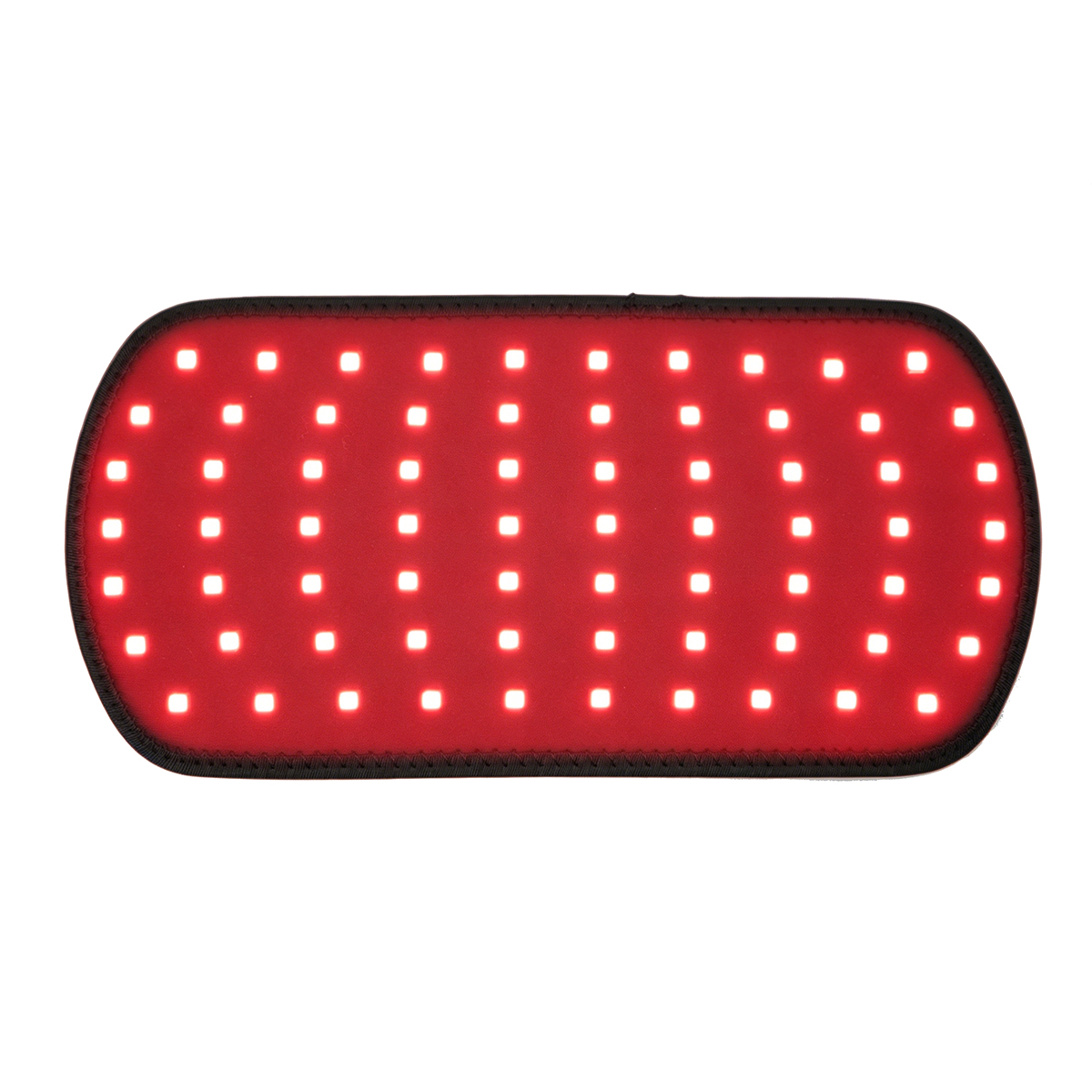
Switch the device on and look at the illuminated area with your own eyes rather than through a camera. The goal is even, continuous coverage across the treatment surface, with no obvious dark bands between emitters and no bright hotspots at the ends of the array. Hold it at the distance the user will actually use and check whether the coverage still feels complete. Exact output values depend on the configuration and should be confirmed at sampling against your agreed specification, not assumed from a catalogue.
5. Packaging and documentation
The unboxing is part of the product, and the sample should arrive in the packaging you intend to ship, not a plain courier box. Work through the following in the order a customer would:
- Open the retail carton and check that the interior fit holds the device firmly, with no movement when the box is tilted or shaken gently.
- Read the quick-start guide as a first-time user and confirm that setup, session length and charging instructions match the sample in your hand.
- Verify the labels, compliance marks and language on the device and carton against the documents supplied with the sample.
Before you sign off, repeat the checks in the same order every time: fit, shell, controls, light coverage, then packaging and paperwork. Consistency matters more than any single result, because it turns a one-off inspection into a repeatable approval standard for every private-label run. Where a detail varies by SKU, note it as depending on the configuration and confirm it again at sampling rather than letting it pass silently.