Packaging is usually treated as the last item on a private-label schedule, something to be sorted out once the hardware is approved. In practice, the opposite is true. The retail box, the insert, the manual and the legal panel all constrain each other, and each one is tied to tooling, print runs and regulatory review. If those choices are deferred until after sampling, a project either pays for a second print run or ships a box that no longer matches the product inside it. Drawing on our five product lines and our own engineering and production teams, this is the sequence we recommend locking at the sampling stage rather than after it.
1. Decide the retail format
Start with where the product will actually sit and who will handle it. A device sold through a counter, a physiotherapy clinic, or an online store has three different sets of constraints: shelf presence, durable handling, and shipping protection respectively. That decision fixes the carton style, the board grade, the surface finish and whether a window or a printed product image is more appropriate. It also fixes the print quantity per SKU, which is the number that makes the rest of the budget predictable. Changing the format after artwork is approved means new dielines, new proofs and new tooling, so settle it while the samples are still on the table.
2. Lock the legal panel
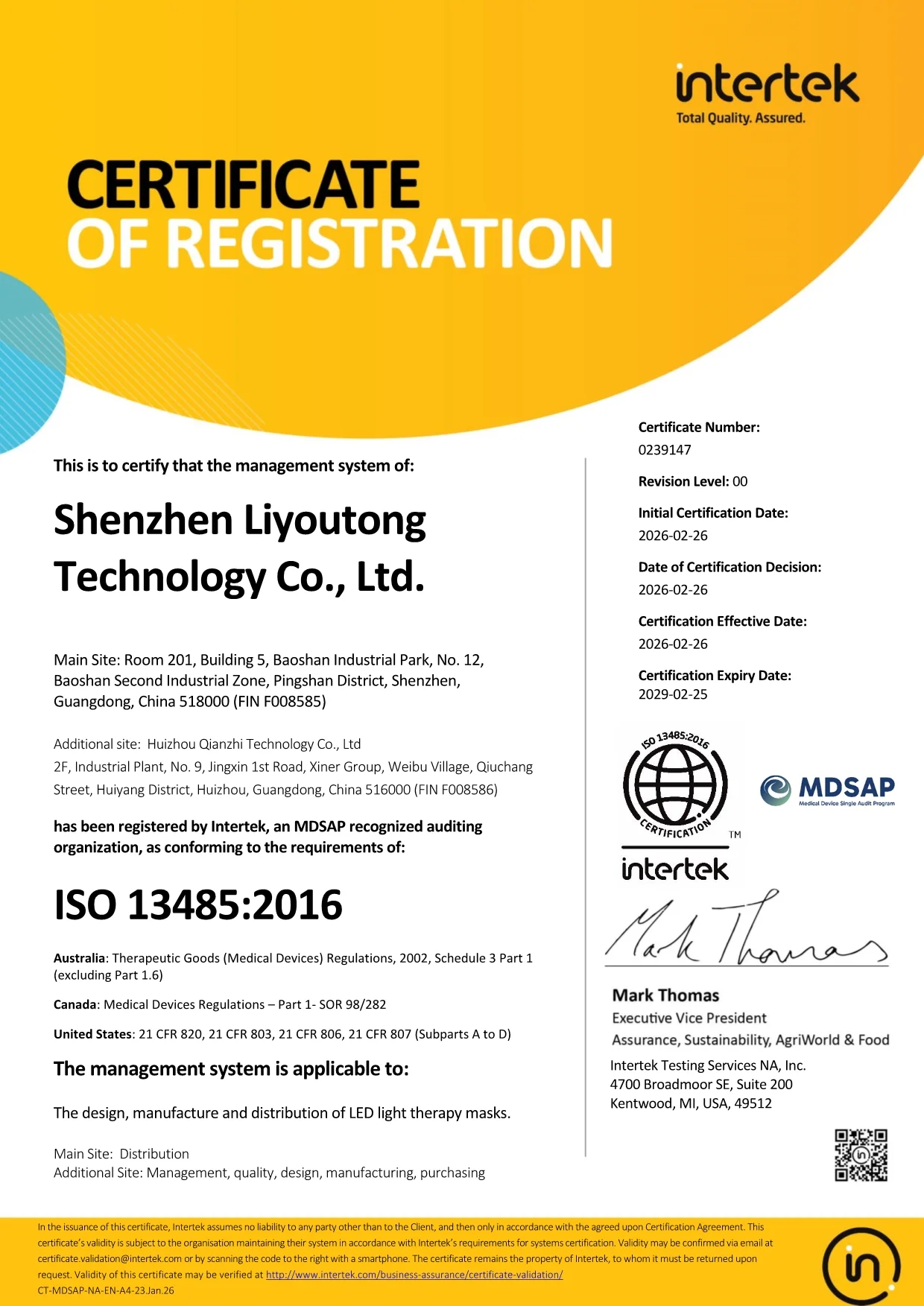
The legal panel is the part of the box that cannot be corrected with a sticker in most markets, so it deserves an early decision rather than a late review. Model name, manufacturer and importer details, the regulatory marks that apply, and the language set for each destination market all belong on this panel. Which marks apply depends on the configuration and the market; the EU and US requirements differ, and the exact statement of compliance is confirmed at sampling with your regulatory contact. Our facilities operate under ISO 13485 and our products are developed to meet FDA, CE, FCC and RoHS requirements, but the wording printed on your box is your call and should be signed off before the first proof.
3. Agree the insert and manual
An insert looks like a protective foam part and a manual looks like a document, but they are one assembly. The cutouts have to hold the device, the controller and any accessories without allowing movement in transit, and the manual has to fit in the space left over. Manual scope is the part most often underestimated: setup, intended use, contraindications, cleaning and the warranty statement usually need more pages than the first draft allows, and the language count multiplies the page count. Decide the manual format and fold early, and the insert dimensions follow from it instead of forcing a redesign of both.
4. Check the unboxing
Unboxing should be tested with a physical sample, not imagined from a flat artwork file. Open the carton the way a first-time customer would, with no prior knowledge of where the device sits, and watch how long it takes to reach the controller and the manual. If the device shifts when the box is tilted, the insert needs work. If the manual ends up under the device, the layering needs work. This is also the moment to confirm that the barcode scans, that the security seal opens cleanly, and that the box survives a drop test without the contents being damaged. Fixing these issues at sampling costs a sample revision; fixing them after the print run costs a reprint.
5. Approve the artwork before print
Final artwork approval is a sign-off, not a review, so it needs to be treated as a gate. Before the file leaves for prepress, the following should already be settled:
- The print-ready file matches the approved dieline, including bleed, safe margins and any spot colours.
- Every legal and regulatory statement has been checked against the destination market and signed by the responsible person.
- The physical proof has been compared to the digital file under real lighting, with colour tolerance agreed in writing.
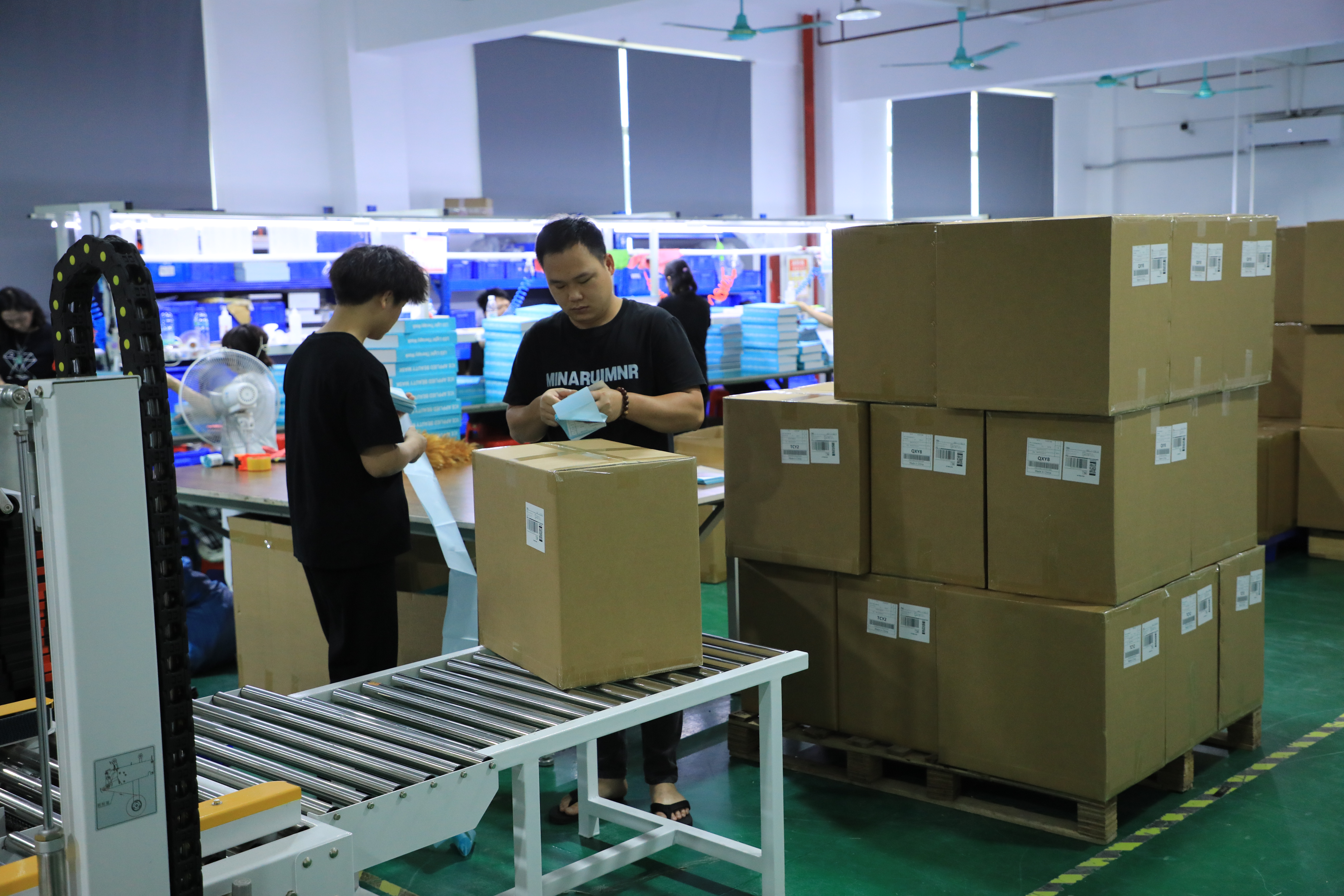
Once these are closed, the print run is a manufacturing step rather than a design step. Keeping packaging decisions inside the sampling window is what makes that true. For a private-label or OEM programme, our team can work through the box, insert, manual and label in the same review cycle as the hardware, so the packaging that ships is the packaging that was approved.