Most brands start the format conversation with specs: how many LEDs, what power, which wavelength mix. That is the wrong entry point. The format itself decides how the device is used, who it is bought for, and how it has to be packaged and supported. Pick the usage occasion first, then the engineering follows. With five product lines and a private-label and OEM program backed by our own engineering and production teams, we help brands make that first choice before a single sample is built.
Handheld: targeted and personal
A handheld device is bought for one purpose: putting the light exactly where the user wants it, at close range. It suits spot treatment, travel, and anyone who wants a personal device they can keep in a drawer rather than a dedicated treatment space. The buying occasion is usually personal and immediate, which makes it a natural first product for a beauty or wellness brand entering the category.
Because the unit is held, weight and balance matter as much as output. A handheld that is pleasant to grip for a full session will outperform one that is technically stronger but tiring to hold. This is where enclosure design, button placement and charging behaviour have to be settled at sampling rather than assumed on a spec sheet.
Belt: wear it and move on
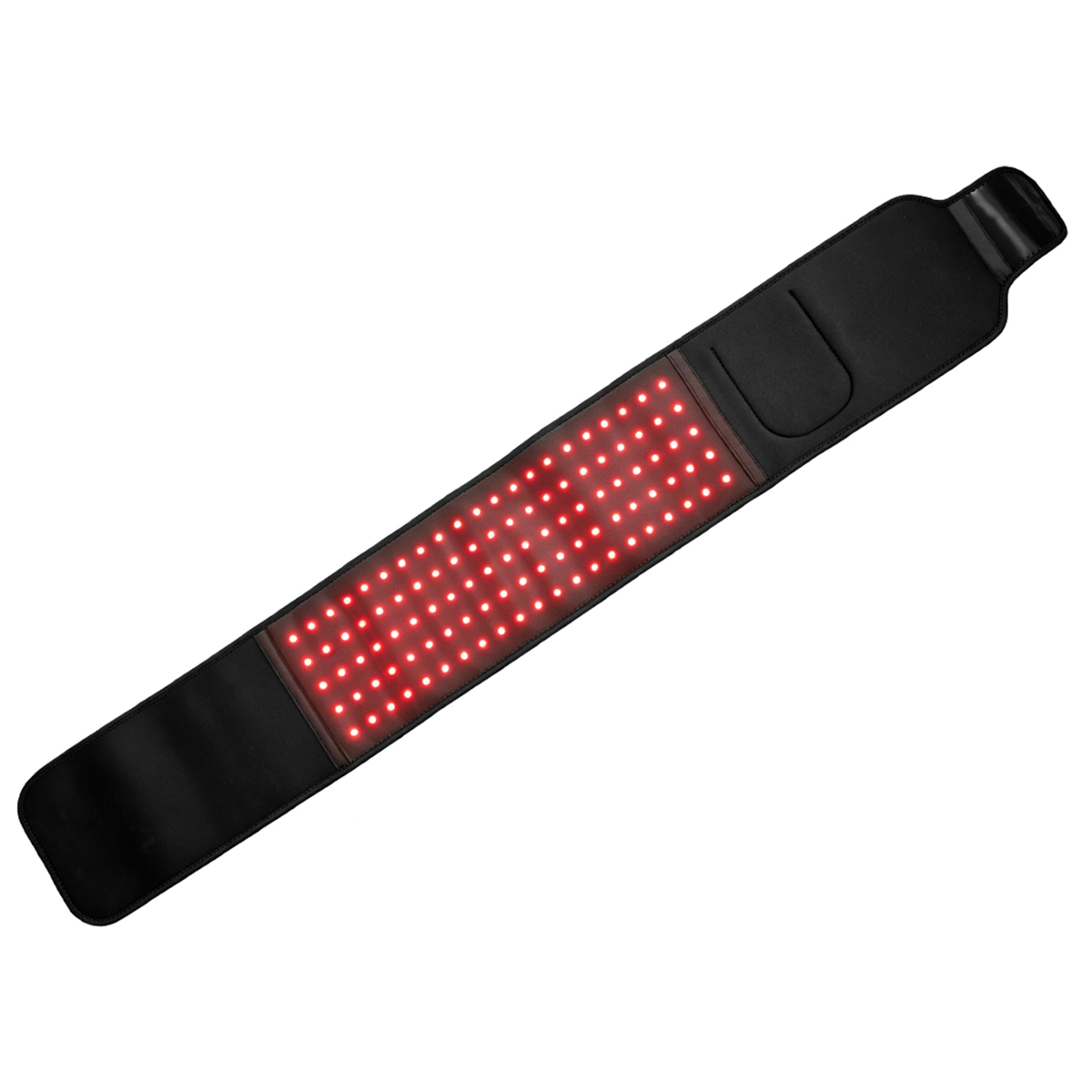
A belt turns treatment into something the user can do while doing something else. Strapped over the lower back, shoulder, knee or abdomen, it frees both hands and keeps the light in contact with a wrapped area. The buying occasion here is often recovery and everyday maintenance, and it reads naturally as a gift or an add-on to an existing range.
The engineering question for a belt is not raw power but fit and flexibility. It has to wrap a range of body shapes without pinching, stay in place during movement, and route its controls so they are reachable when worn. Battery runtime and the exact controller placement depend on the configuration and are confirmed at sampling, so the format should be chosen before those details are locked.
Panel: the room sets the format
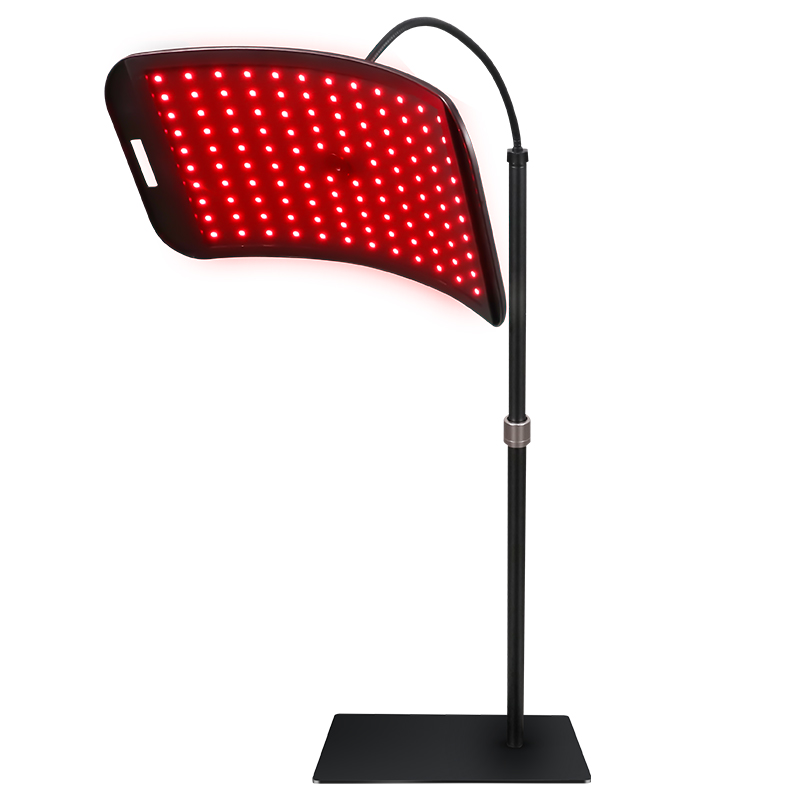
A panel is a place-based product. It is bought when the user is ready to dedicate a corner of a room to treatment, and it is judged on coverage: how much of the body can be treated in one standing or seated session. That makes it the format for studios, clinics, recovery spaces and committed home users rather than casual first-time buyers.
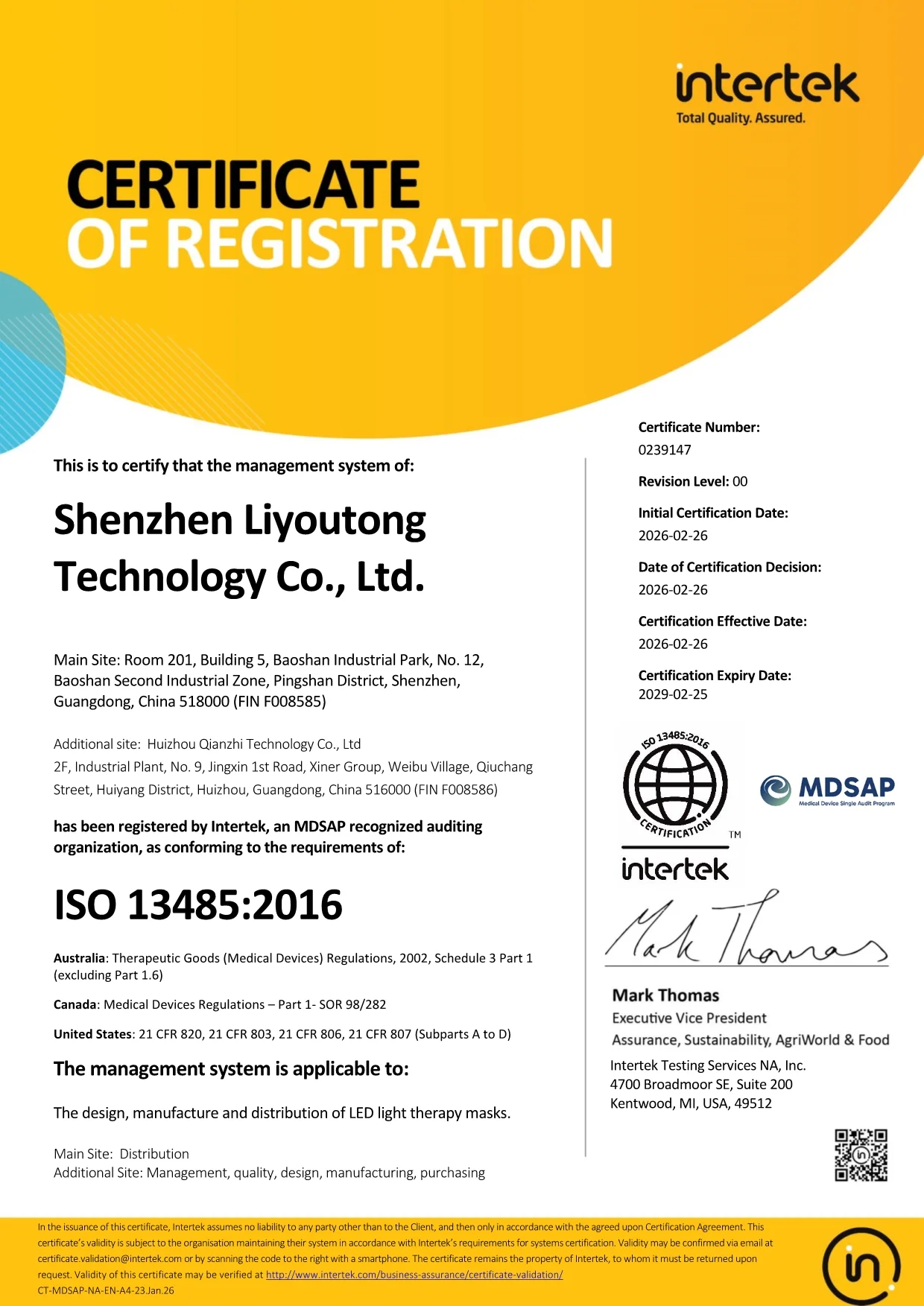
Panels also change the commercial conversation. They are larger, heavier and more visible, so stand design, packaging volume and shipping protection become part of the product rather than an afterthought. CE, FCC and RoHS compliance, along with our ISO 13485 quality system and FDA registration, are part of what a buyer needs to confirm before a panel can be sold into regulated markets.
How to choose
- Usage occasion: a device that travels or targets a spot points to handheld; a wrapped area used hands-free points to belt; a dedicated treatment space points to panel.
- Price positioning: the format sets the perceived tier of the range, so decide where the product sits before the bill of materials is fixed.
- Packaging and volume: handheld and belt ship compact and stack well; panel formats need stand design and protective packaging planned from the start.
- After-sales model: handheld returns are simple to handle, belts wear at the strap and controller, and panels carry the heaviest logistics and installation questions.
None of the three formats is better in the abstract. Handheld, belt and panel each serve a different buying moment, and a brand that launches the format matching its customer's occasion will have a far easier path than one that starts from a spec sheet. If you are weighing the first product in a private-label or OEM range, tell us the occasion you are selling into, and we can map the format to it.