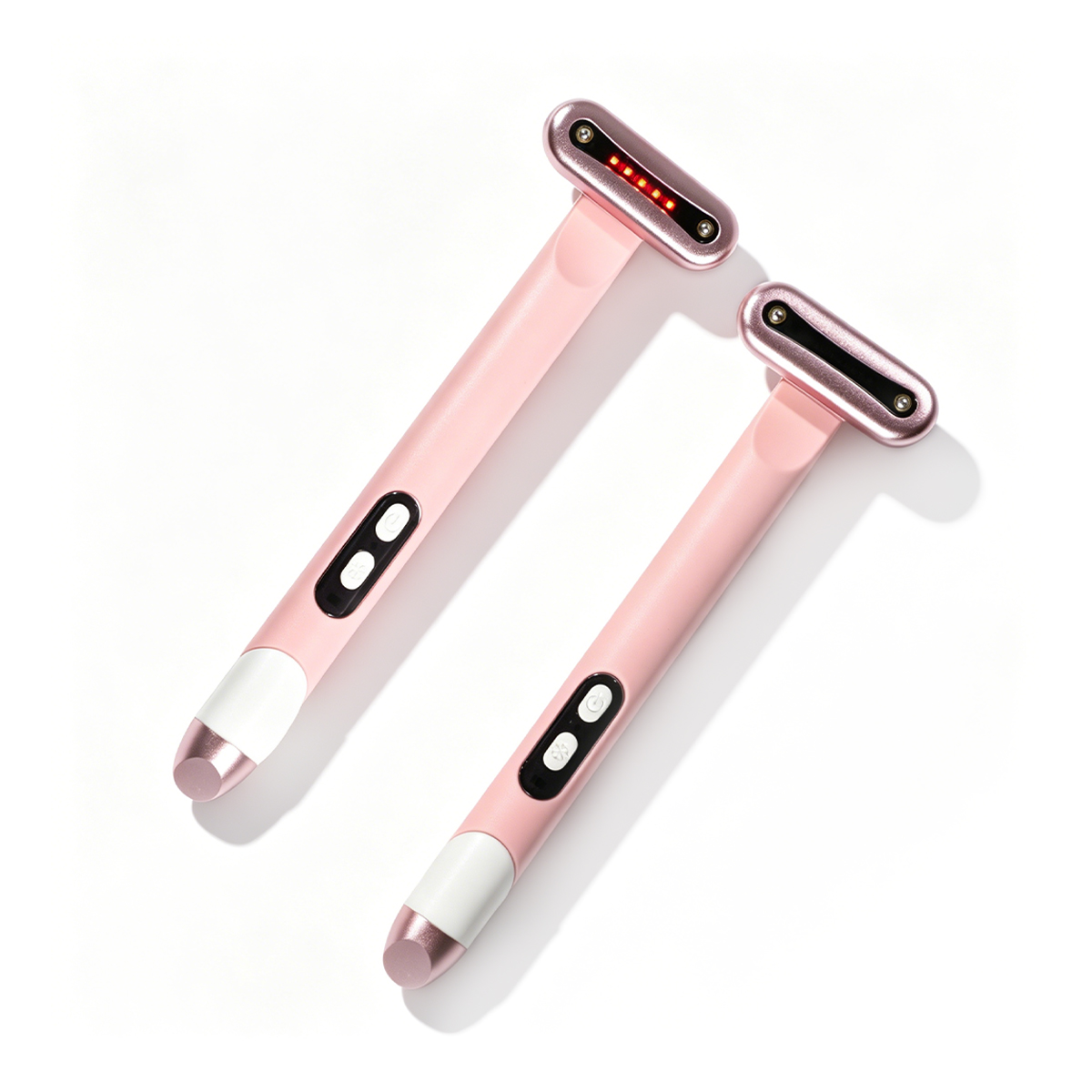
A wavelength figure is easy to print on a specification sheet and easy to repeat in a sales deck. It is also the number most likely to be misunderstood, because a single value says almost nothing about how a device is built, how it is measured, or what a buyer is actually getting. For a private-label brand, the risk is not that the number is wrong. The risk is that nobody asked what sits behind it.
The questions below are the ones we recommend writing into the brief before any tooling, sample, or packaging decision is made. None of them require a physics background. All of them change the conversation from a slogan to a specification.
Six Questions to Put in Writing
1. What are red and near infrared each meant to do in the product?
Red and near infrared are usually discussed as if they were interchangeable, but they are positioned differently in a product line. Red is typically the visible channel and is easier for a user to confirm is working, while near infrared is invisible and needs its own indication on the device. Ask the supplier to describe the intended role of each channel in the user experience, not just the diode count.
A serious answer will separate the two channels in the UI, in the instructions, and in the label. If the answer treats them as one combined output, the product will be harder to explain at retail and harder for support teams to troubleshoot.
2. How do we confirm the wavelength range we are claiming?
Ask what document proves the range and who produced it. A supplier should be able to show a measurement record for the batch or the platform, not only a datasheet from the diode vendor. The datasheet describes a component; the measurement record describes the device you are about to sell.
This is also the moment to ask whether the claimed range is a bin, a tolerance, or a marketing phrase. Those are three different commitments, and only one of them is testable at incoming inspection.

3. Are we quoting a peak or an average?
Peak and average are often quoted in the same sentence with no label. Peak describes the highest instantaneous output, while average describes what a surface receives over time, including any pulsing or duty cycle. A device can show an attractive peak number and deliver far less on average.
Ask for both, in writing, and ask which one the marketing copy will use. If the brief does not specify, the final claim will be chosen by whoever writes the page last, which is rarely the person who understands the measurement.
4. Under what conditions was it measured?
Distance, angle, ambient light, warm-up time, and the sensor itself all move the number. A reading taken at the surface of the lens is not comparable to a reading taken at the user's skin. Ask for the measurement distance, the instrument, and the warm-up protocol, and keep those conditions attached to the figure wherever it appears.
If a supplier cannot state the conditions, the figure should not appear in the brief at all. An unqualified number is worse than no number, because it will be repeated by people who assume it was qualified.

5. Why can the same platform produce different configurations?
Brands are often surprised that one housing and one control board can support several channel mixes, power levels, and form factors. That flexibility comes from the engineering and production setup behind the platform, and it is a legitimate reason to ask what stays fixed and what changes between SKUs.
Ask which parts are common across configurations and which are unique to yours. The answer tells you how much of the tooling, testing, and documentation you are really sharing, and it tells you what a future variant would cost in time rather than in promises.
6. What should the brief actually say?
A useful brief names the channels and their intended roles, the measurement conditions, the document that will be supplied, and the label wording that follows from them. It should also say what the brand is not claiming. That last line prevents most compliance and copy problems before they start.
Vague inputs produce vague outputs. If the brief says only a wavelength and a target price, the supplier will fill the gaps with whatever is convenient, and the brand will discover the gaps at the first retailer review.
What Good Answers Sound Like
Good answers share a few habits. They separate component specifications from device measurements. They attach conditions to every figure. They describe the production and quality system in plain terms rather than leaning on adjectives.
- They name the document and the batch, not just the capability.
- They distinguish what is standard across the platform from what is custom to your SKU.
- They describe the quality system behind the build, such as an ISO 13485 environment, and the market documentation available for CE, FCC, RoHS, and FDA-related filing where applicable.
- They say what is still open and what will be confirmed at sampling.
Signing With Evidence, Not Adjectives
Wavelength is a useful starting point only when it is tied to a measurement, a condition set, and a document the brand can keep. The goal of the questions above is not to interrogate a supplier. It is to make the brief specific enough that the sample, the label, and the listing page all describe the same product.
Brands that work with an OEM partner with its own engineering and production lines have an advantage here: the answers can come from the people who build the device, and the measurement conditions can be confirmed before the first production run rather than reconstructed afterwards.