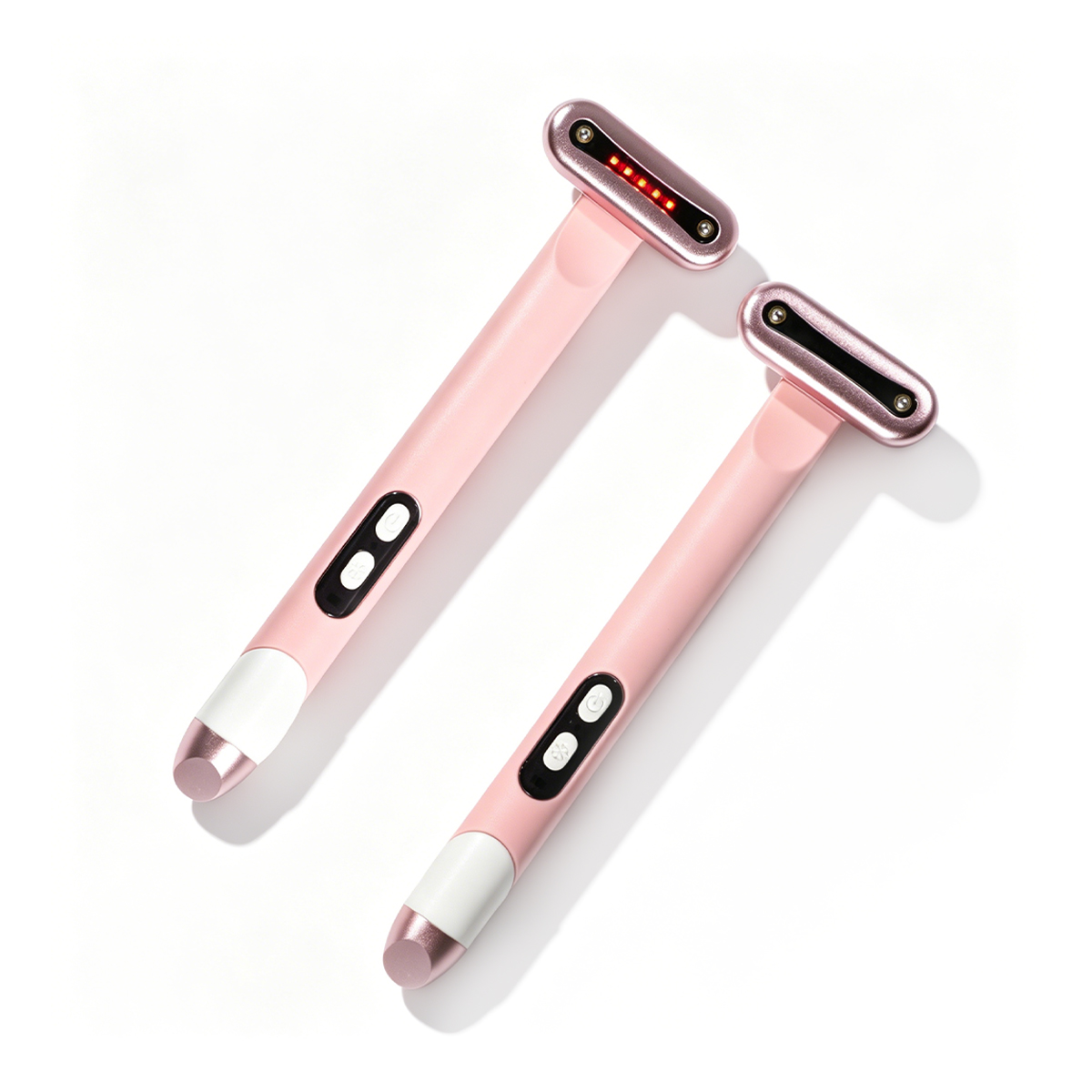
The most common failure in a private-label red light project starts long before tooling: the buyer turns the brief into a forty-page specification document. Every tolerance is fixed in advance, every component is named, and by the time the file reaches the factory there is no room left for the engineering team to solve the actual problem. What the project needed was a short, clear brief — and a sampling process to settle the details.
What a brief actually needs
A good brief defines the commercial and regulatory frame, not the engineering solution. Five items are usually enough to start:
- Product type — the form factor you are aiming for, chosen from the five product lines in our catalogue or described as a variant of one.
- Target market — the countries you will sell into, because this drives labelling language, plug types and which certification path applies.
- Appearance and finish — housing colour, surface treatment, logo placement and the general look you want. Reference images help far more than written adjectives.
- Packaging and branding — retail box or mailer, artwork ownership, insert language, and what must carry your mark rather than ours.
- Certification path — what your market requires, so compliance work can be planned from the start rather than retrofitted.

For a mask-style device, the side view is often the clearest single image to include in a brief. It shows the housing depth, the strap attachment and the edge finish all at once — the three details buyers most often try to describe in words and most often mis-describe. One photo plus a sentence about the finish is worth several pages of dimensional notes at this stage.
Where buyers over-specify
The temptation is to translate a competitor's datasheet into a requirement list. That list is usually a snapshot of one particular configuration, not a statement of what the product must be. Copying it locks you into decisions that may not suit your market, your price point or your packaging, and it leaves the factory no room to tell you that a cheaper or more robust option exists.
Over-specification also slows the project down. Every fixed number has to be verified, documented and defended, and changes late in the process become expensive. A shorter brief with a clear priority order moves faster, because the engineering team knows what matters and what is negotiable.
- Internal component counts and layout — these depend on the configuration and are settled during engineering, not in the brief.
- Exact performance figures — measured values depend on the configuration and are confirmed at sampling, on the actual unit you will sell.
- Battery and runtime claims — these follow from the chosen configuration; promising them in advance creates claims you may have to walk back.

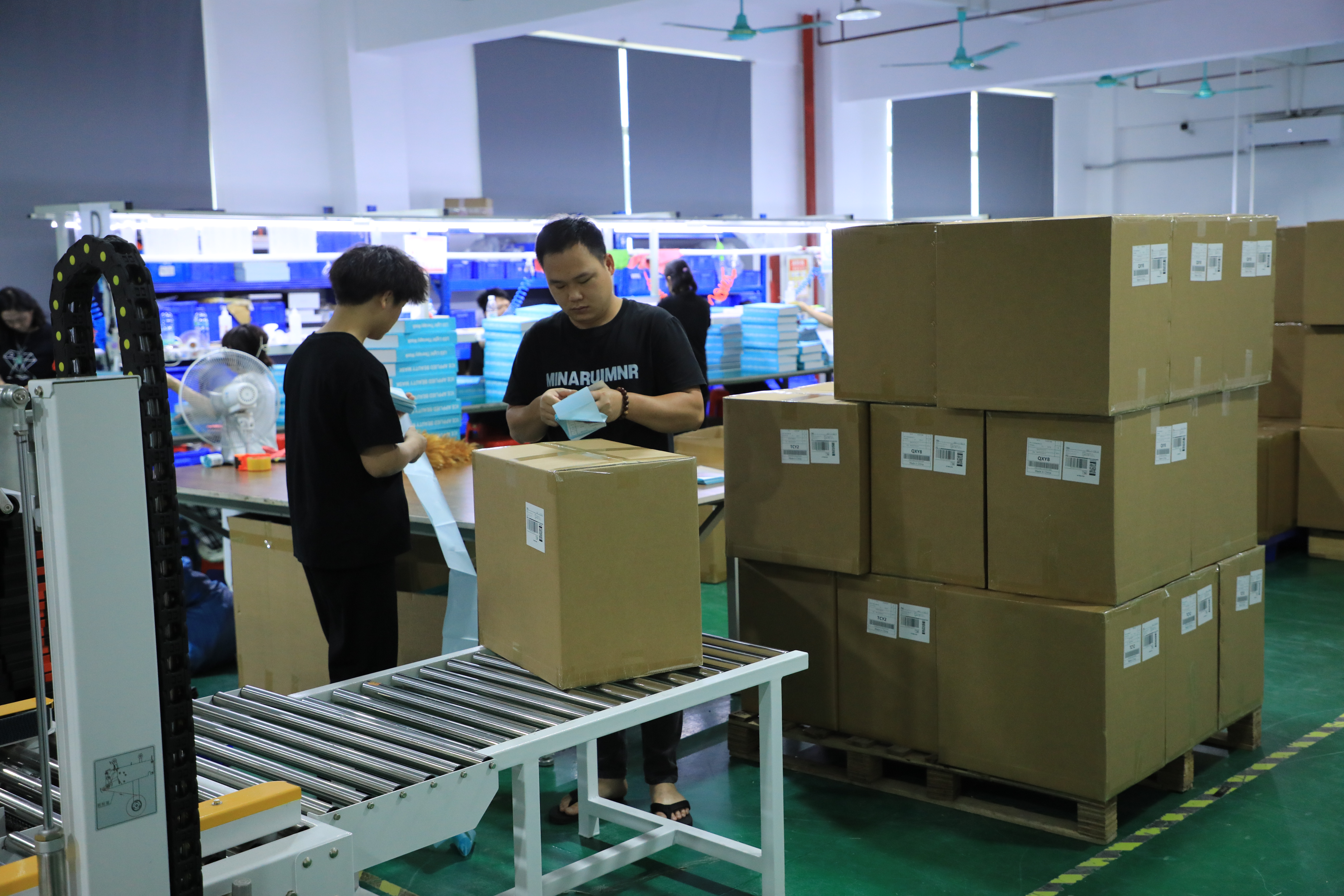
It helps to see where the device is actually built. Our own engineering team and production lines sit in the same facility, so a question raised at sampling can be answered by the people who will run the build — not routed through a trading layer. That is also why we ask buyers to describe intent rather than dictate internals: the answer often already exists on the line.
What we confirm at sampling
Sampling is where the brief becomes a product. We confirm the measurable details on a real unit — finish, fit, packaging, labelling and the performance figures that depend on the configuration — and you approve what you can hold in your hand rather than what is written in a document. Our documentation covers ISO 13485, FDA, CE, FCC and RoHS, and the certification path for your market is mapped at this stage so nothing is left to the end of the project.
If you already have a rough idea of the form factor, the market and the look you want, that is enough to start. Send it through the inquiry form and we will come back with the questions that actually matter — and leave the rest to sampling.